ELEVATING WEB EXPERIENCE
Streamlining Storytelling: Designing and Prototyping a Blog Website with Category-Based Navigation
COMPANY
Campus Latest Gist
ROLE
UI/UX Designer
EXPERTISE
Web Design
YEAR
2023
Project Description
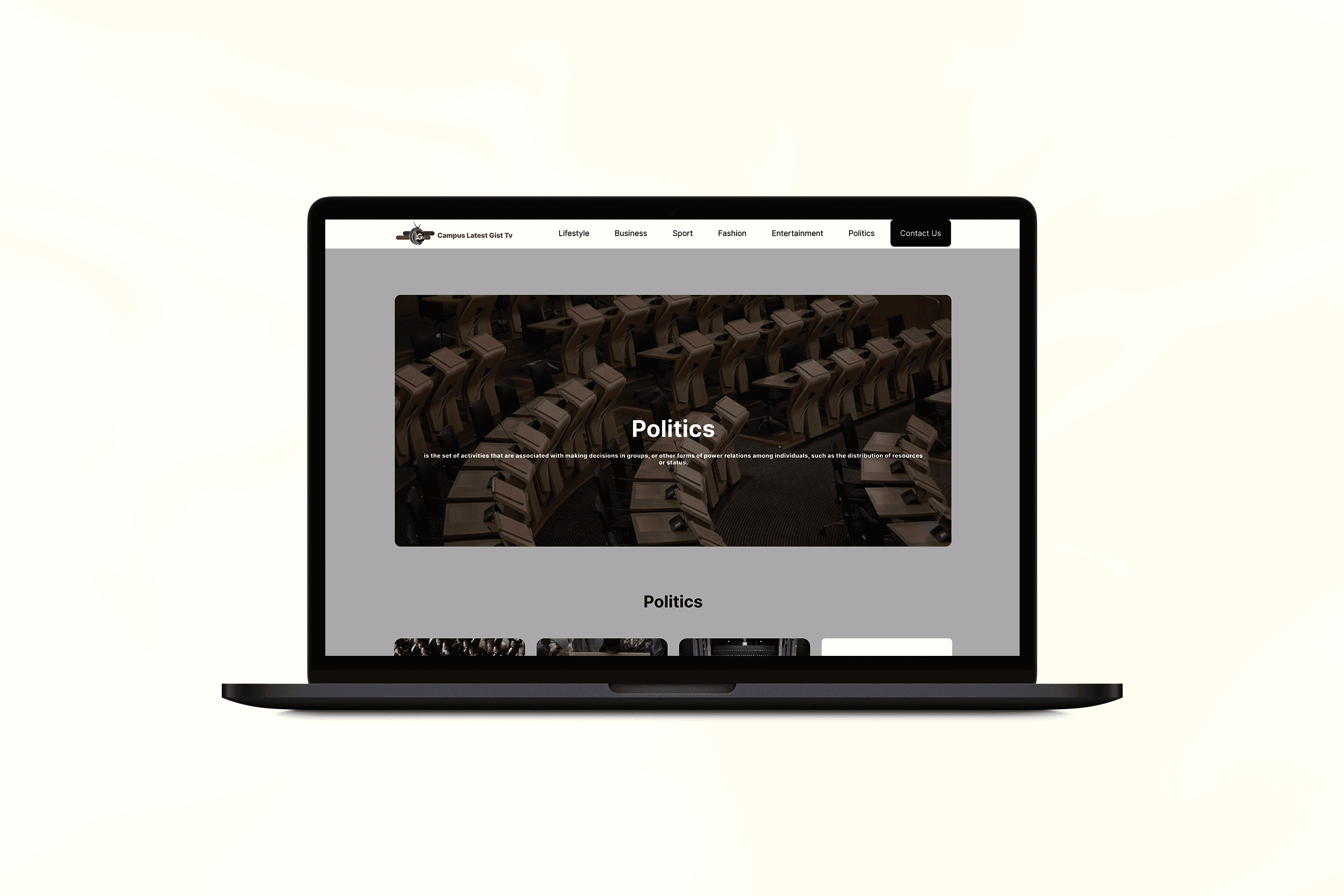
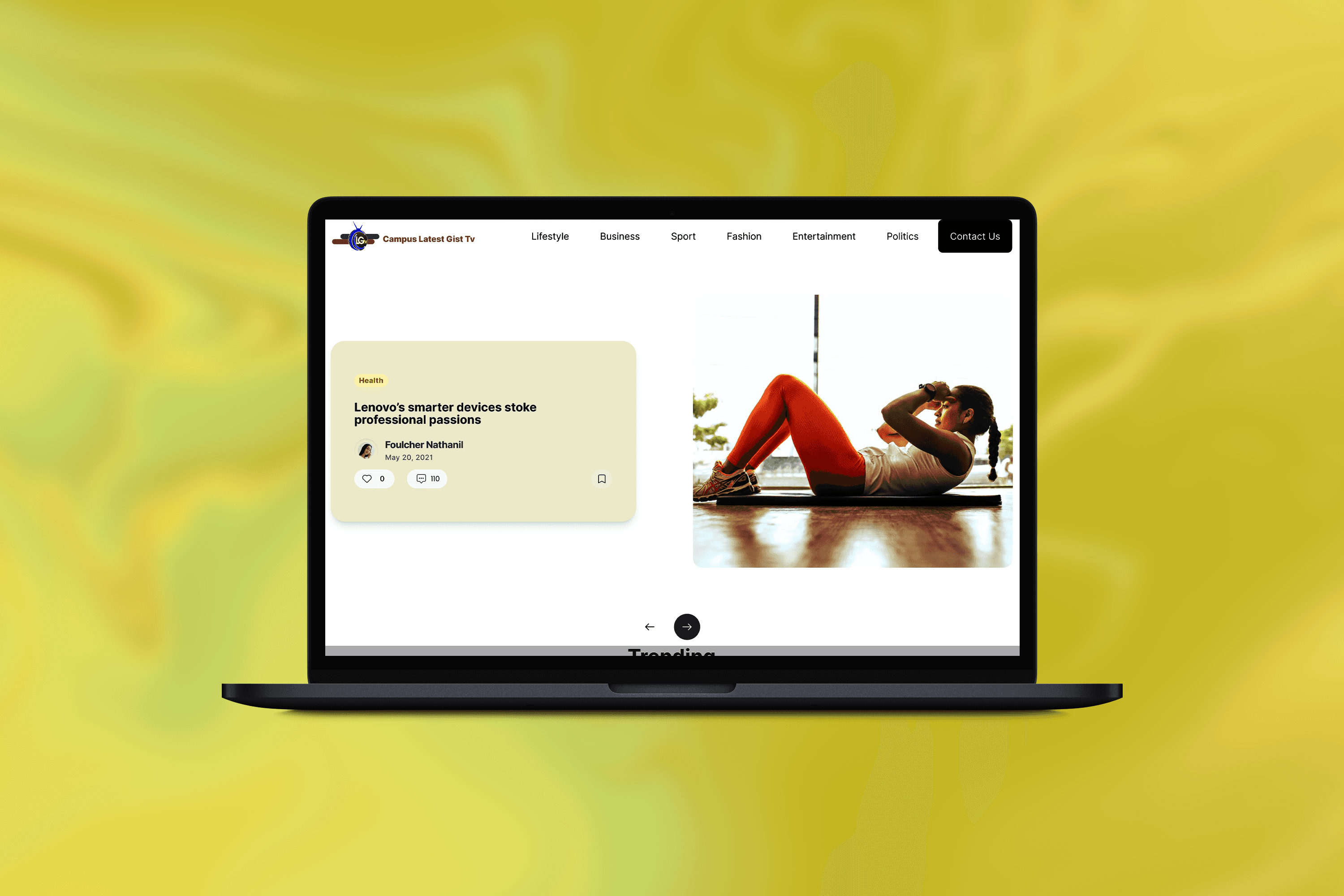
The project focused on designing and prototyping a blog website with a user-friendly interface that catered to diverse content categories for seamless navigation. By incorporating an intuitive design and clear organization, the website aimed to deliver a streamlined reading experience for users while supporting content creators in showcasing their work effectively.
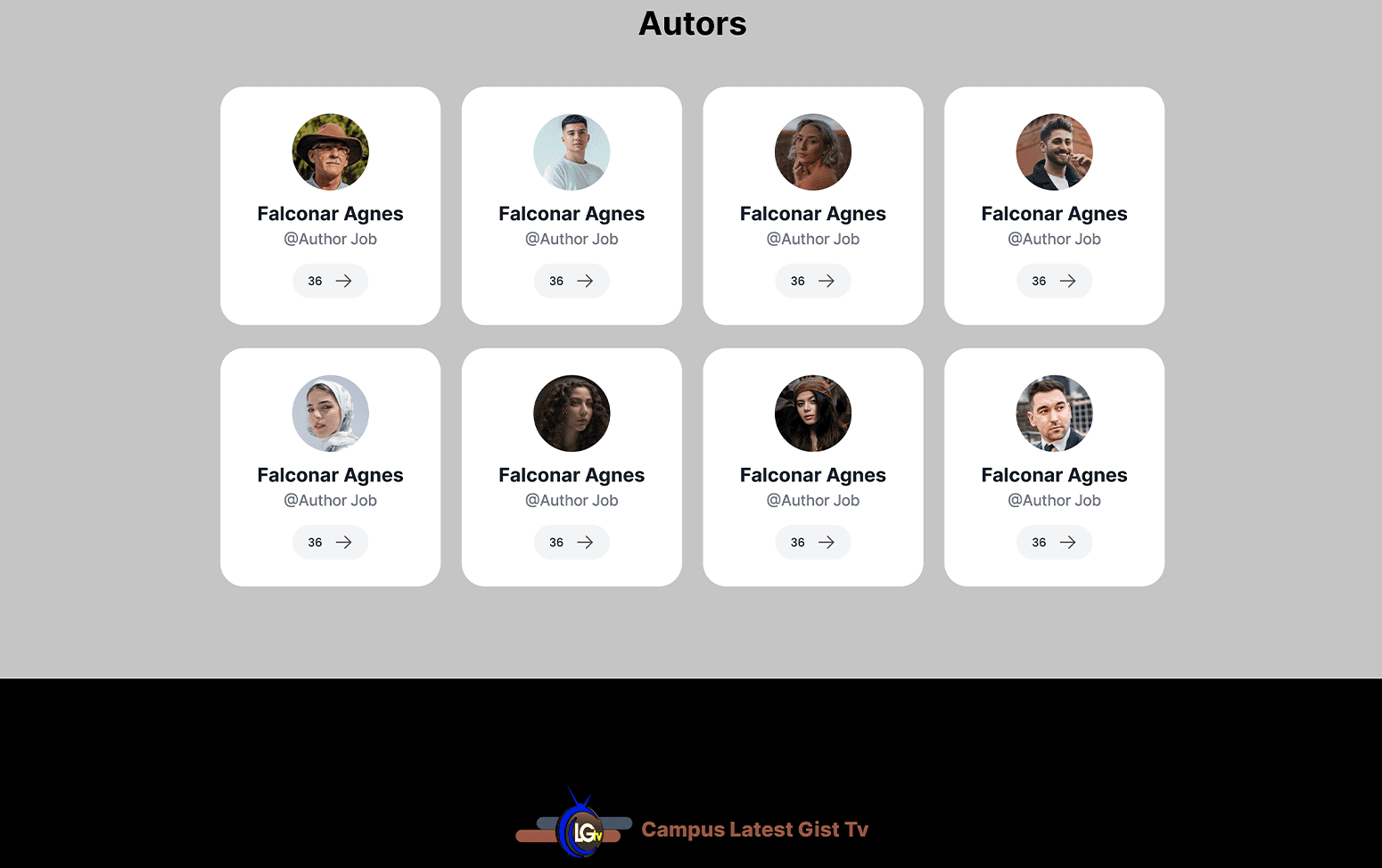
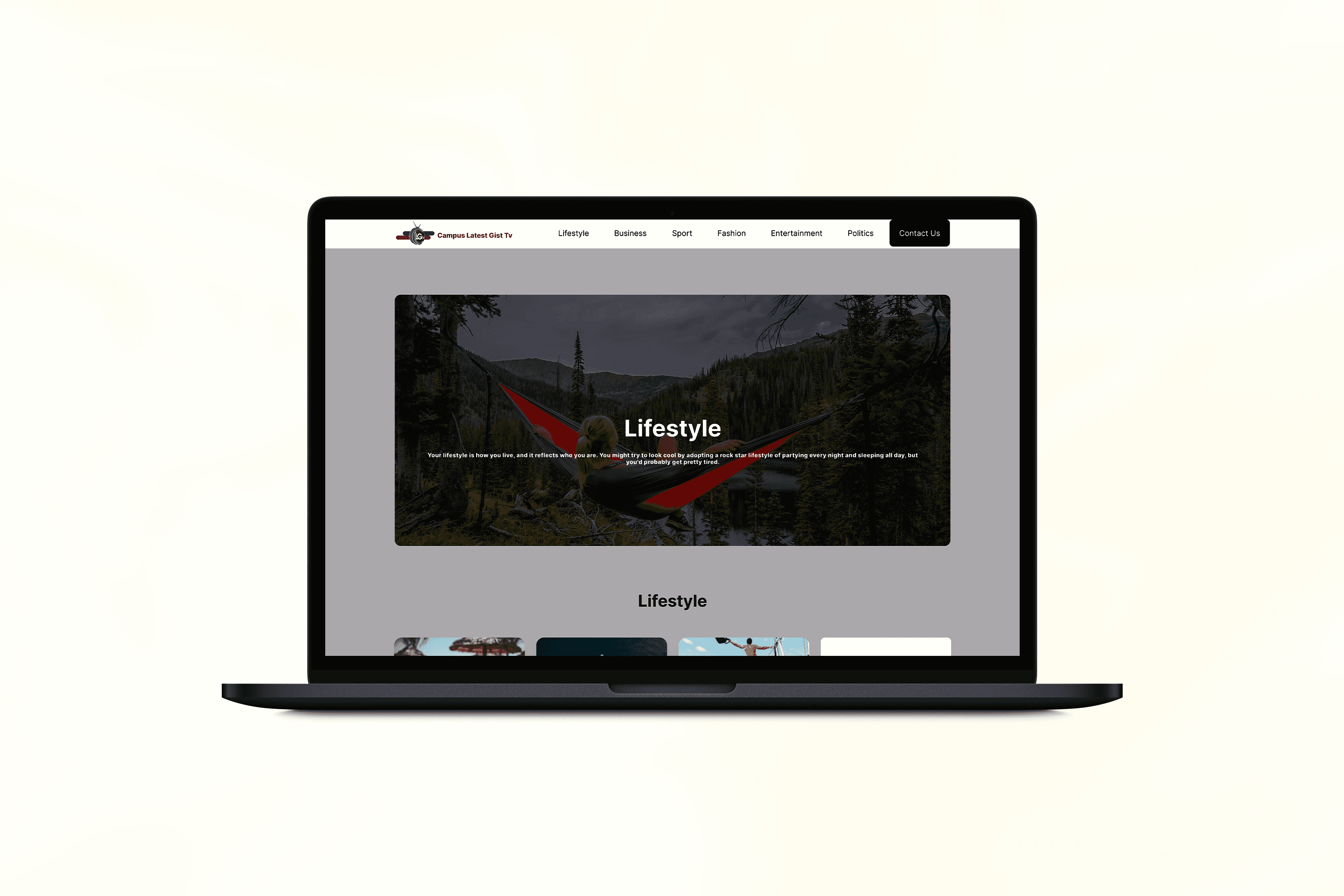
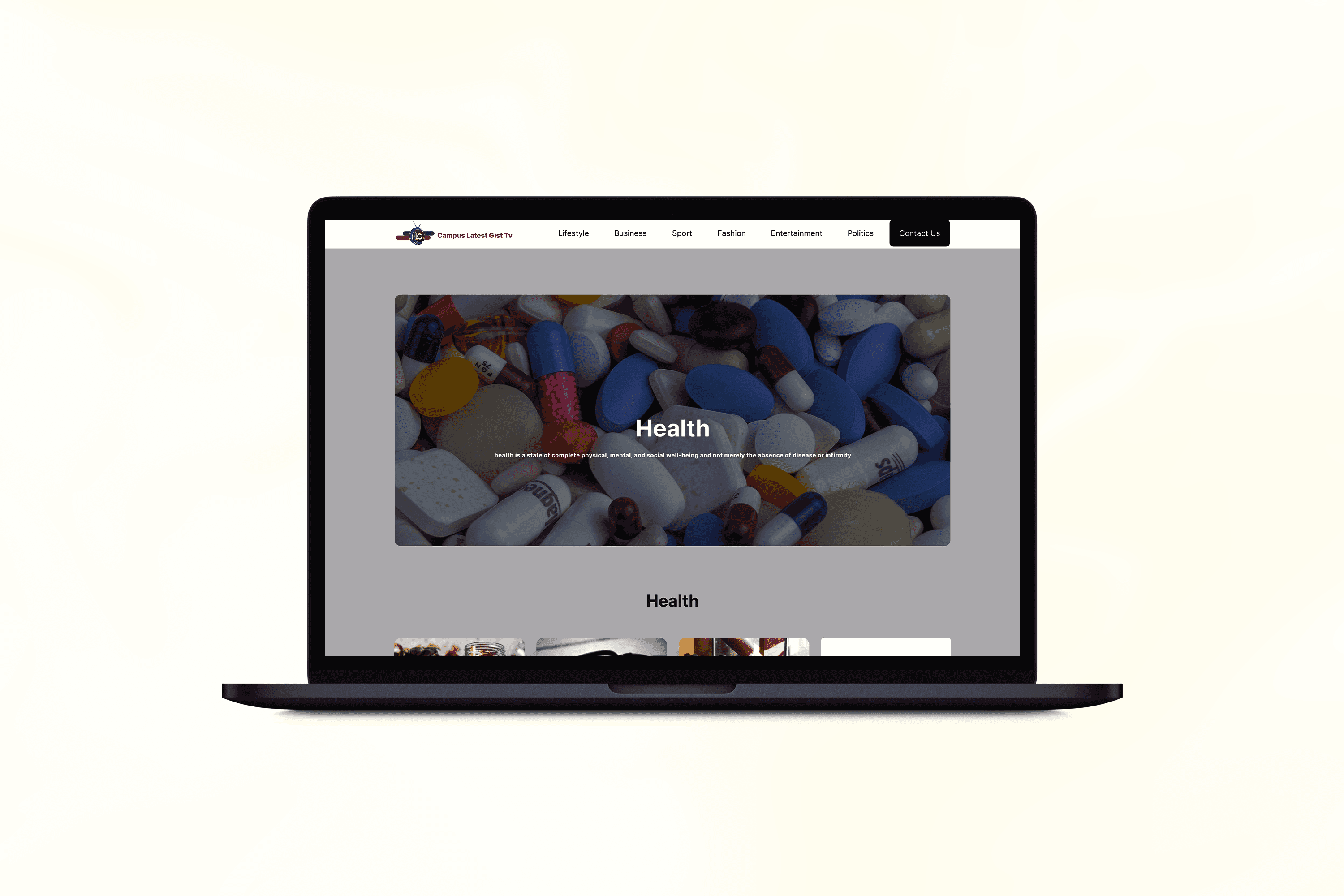
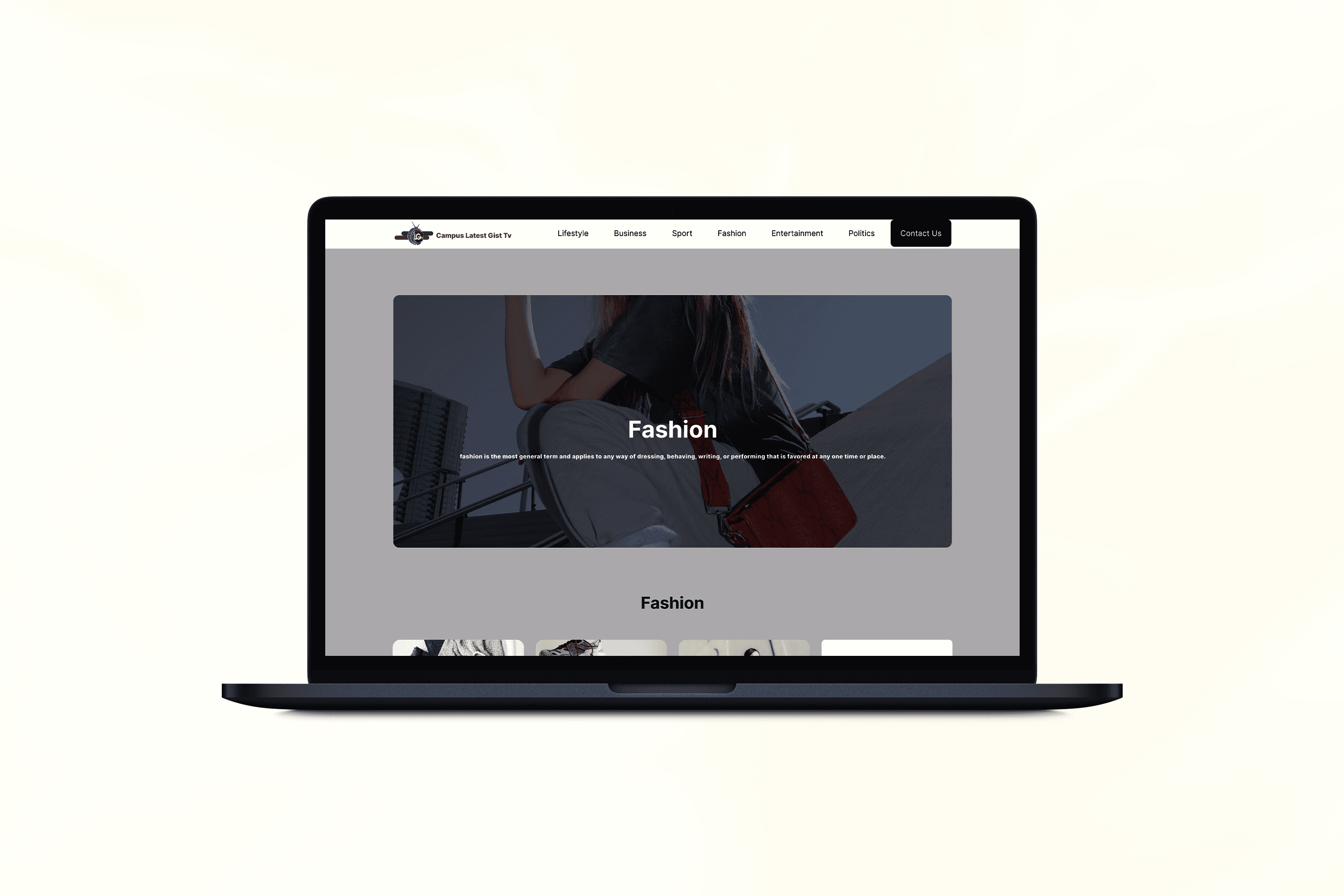
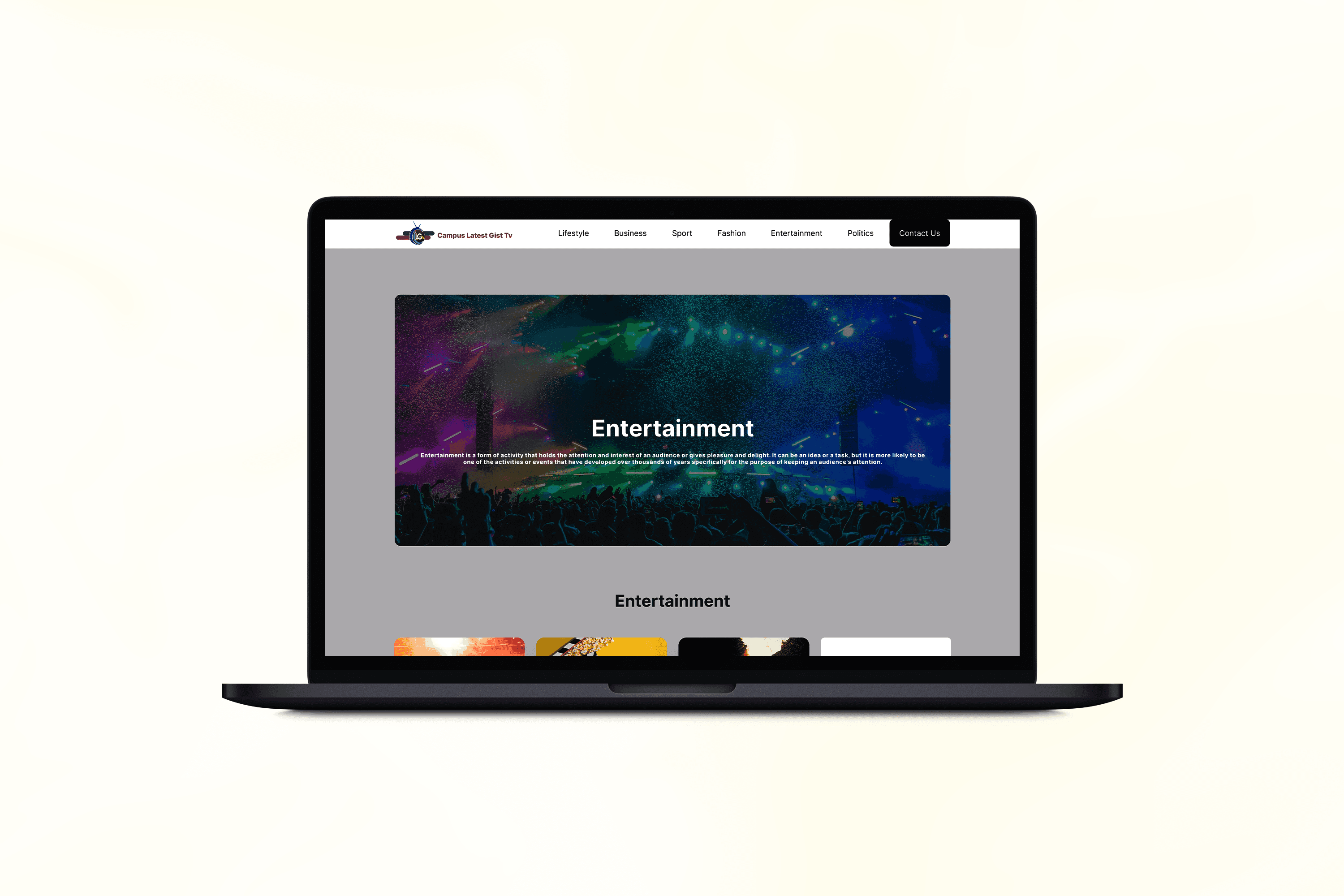
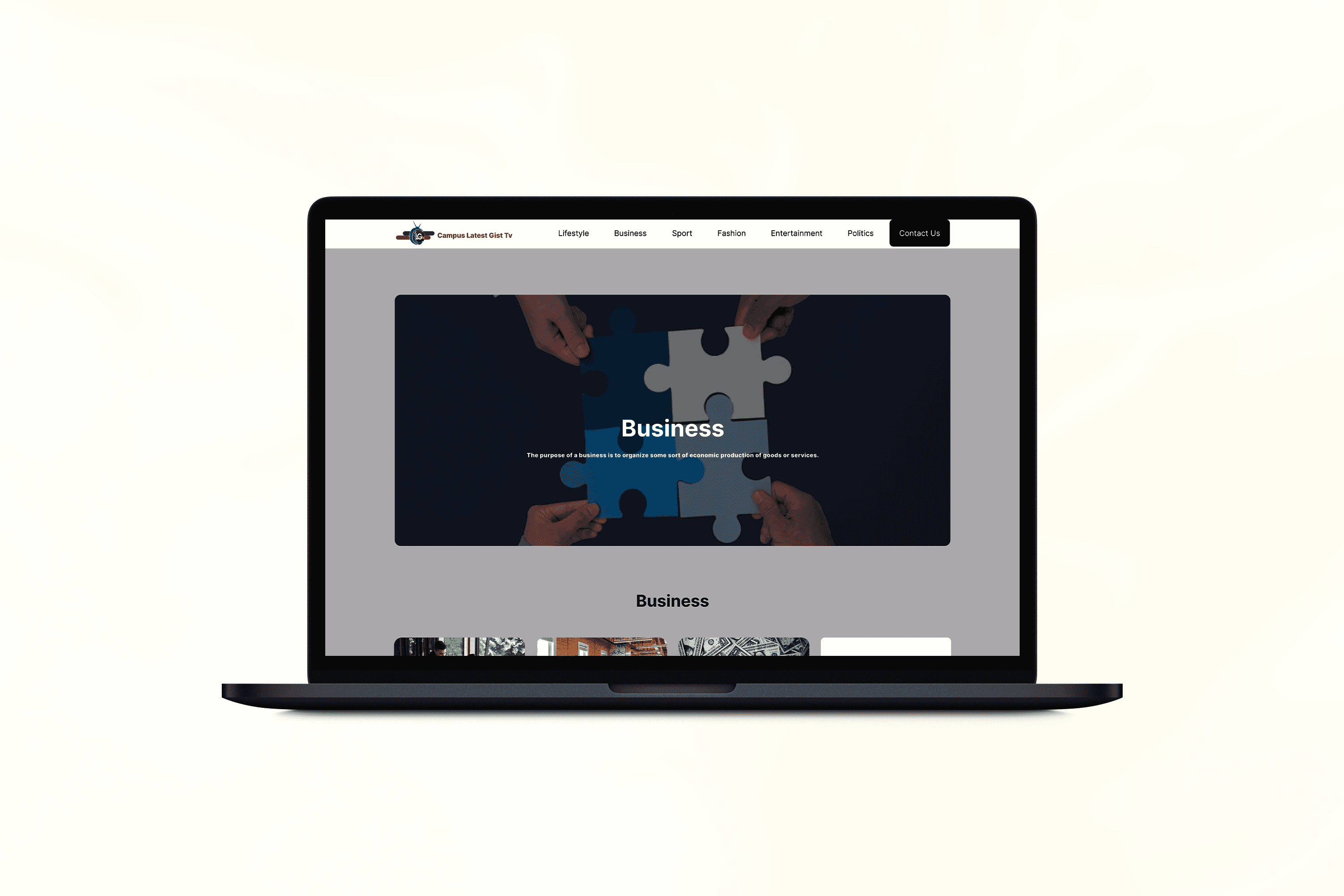
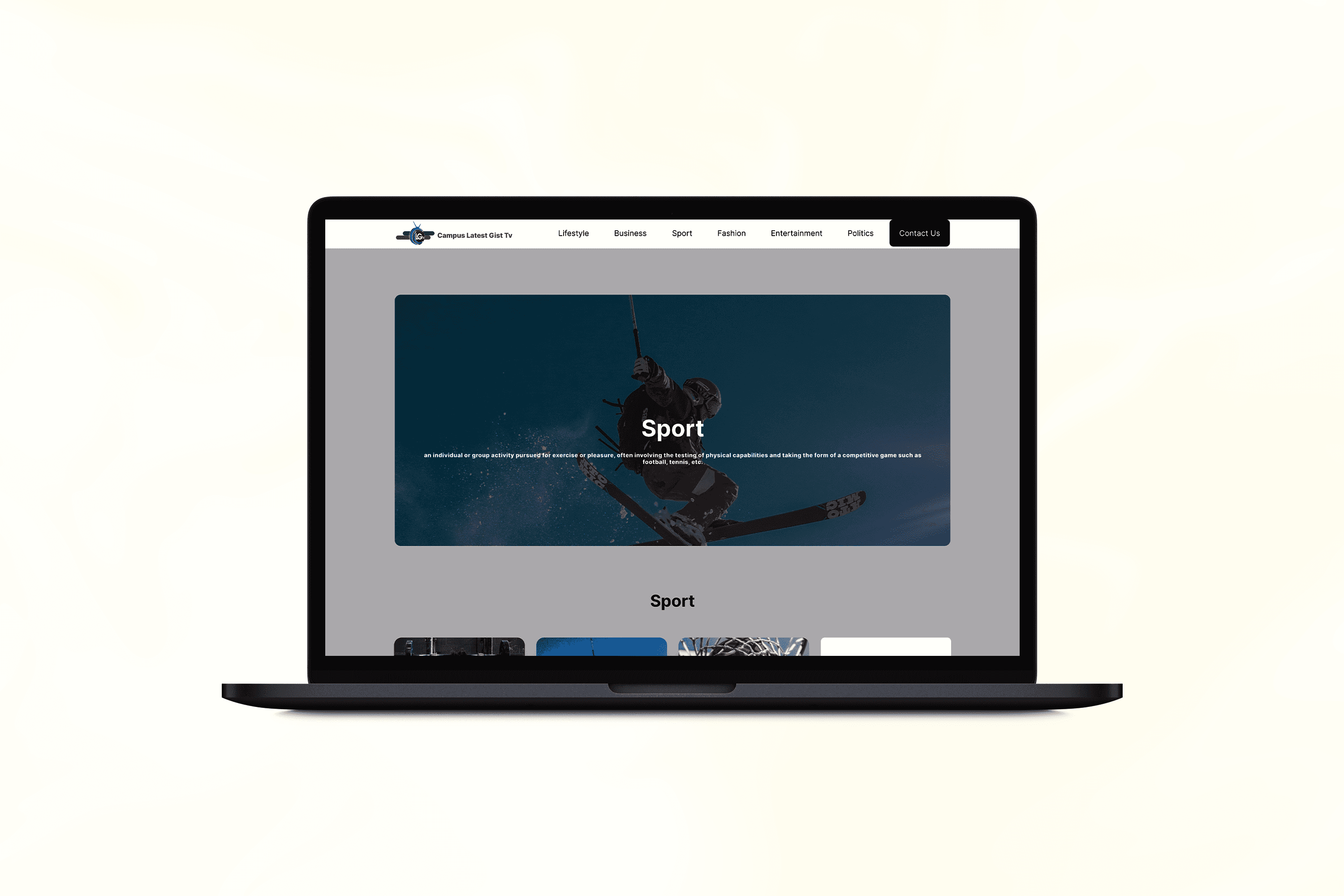
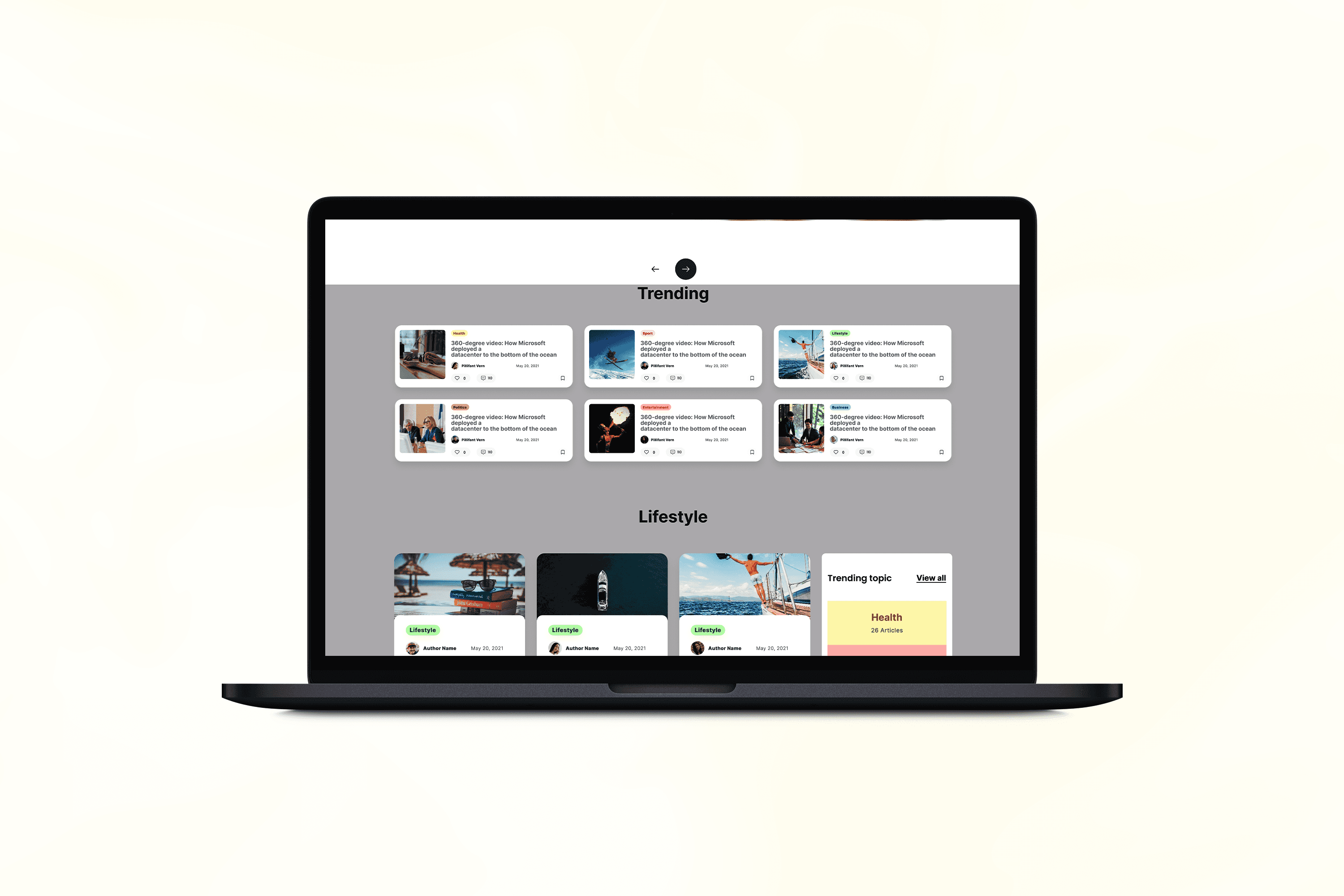
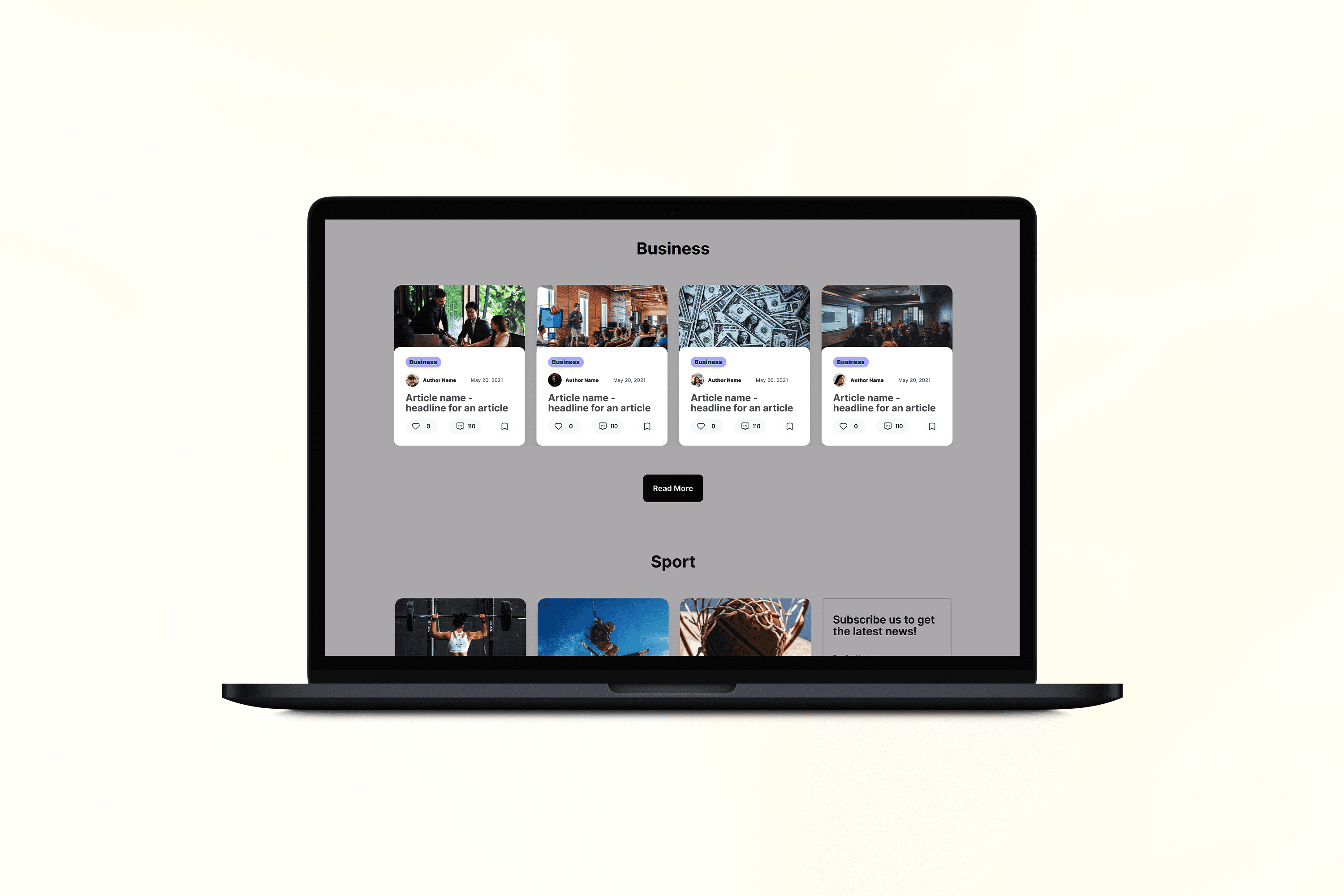
The design featured category-based sections such as Technology, Lifestyle, Health, and Business, making it easier for readers to discover articles of interest. The emphasis was on clean layouts, responsive design, and engaging visuals, ensuring accessibility across all devices.
Timeline
Timeline
Duration: 3 weeks
Week 1: Research and Planning
Week 2: Wireframing and Visual Design
Week 3: Prototyping, Testing, and Refinements
Background
With the growing popularity of blogs as a medium for information sharing and storytelling, the need for organized and accessible platforms has become paramount. This project addressed the challenge of creating a blog website that catered to both content creators and readers by balancing aesthetics, functionality, and usability.
Key Objectives:
Create a visually appealing blog interface.
Ensure easy access to diverse content through a category-based structure.
Design a prototype that highlights the blog's versatility across different devices.
Problems Identified
Content Overload: Blogs often overwhelm users with a cluttered layout, making it difficult to find relevant content.
Category Navigation: Users needed a clear and intuitive way to access articles based on their interests.
Engagement Challenges: The lack of engaging visuals or dynamic design elements can discourage user interaction.
Responsiveness Issues: Many blogs struggle to deliver an optimized experience on mobile devices.
Process
Research & Planning
Analyzed popular blog websites to identify best practices in layout and user flow.
Conducted surveys to understand user behavior, preferences, and pain points when browsing blogs.
Defined key features, such as category navigation, search functionality, and article previews, to enhance usability.
Wireframing
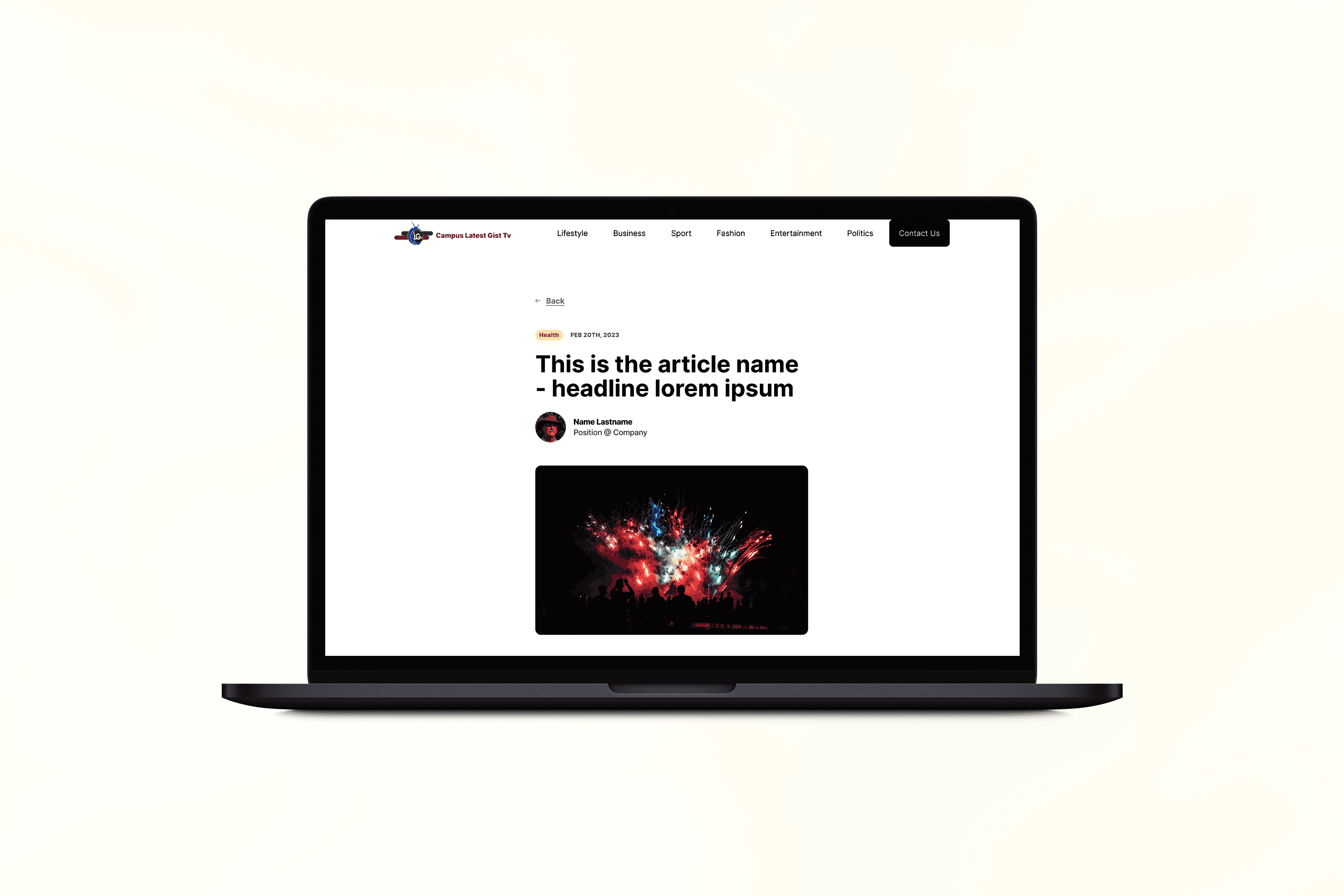
Developed wireframes for the homepage, category pages, and individual blog posts, focusing on:
A prominent category menu for easy navigation.
Clean layouts that highlighted featured articles and recent posts.
Space for visuals to make the blog more engaging.
Prototyping
Created a prototype using tools like Figma or Adobe XD to simulate user interactions.
Focused on:
Smooth transitions between pages.
Interactive elements like hover effects on category links and article previews.
A responsive layout for optimal viewing on desktop, tablet, and mobile devices.
Testing and Refinements
Conducted usability testing with a sample group to evaluate navigation ease, readability, and overall experience.
Refined the design based on feedback, ensuring navigation and visual hierarchy clarity.
Solution
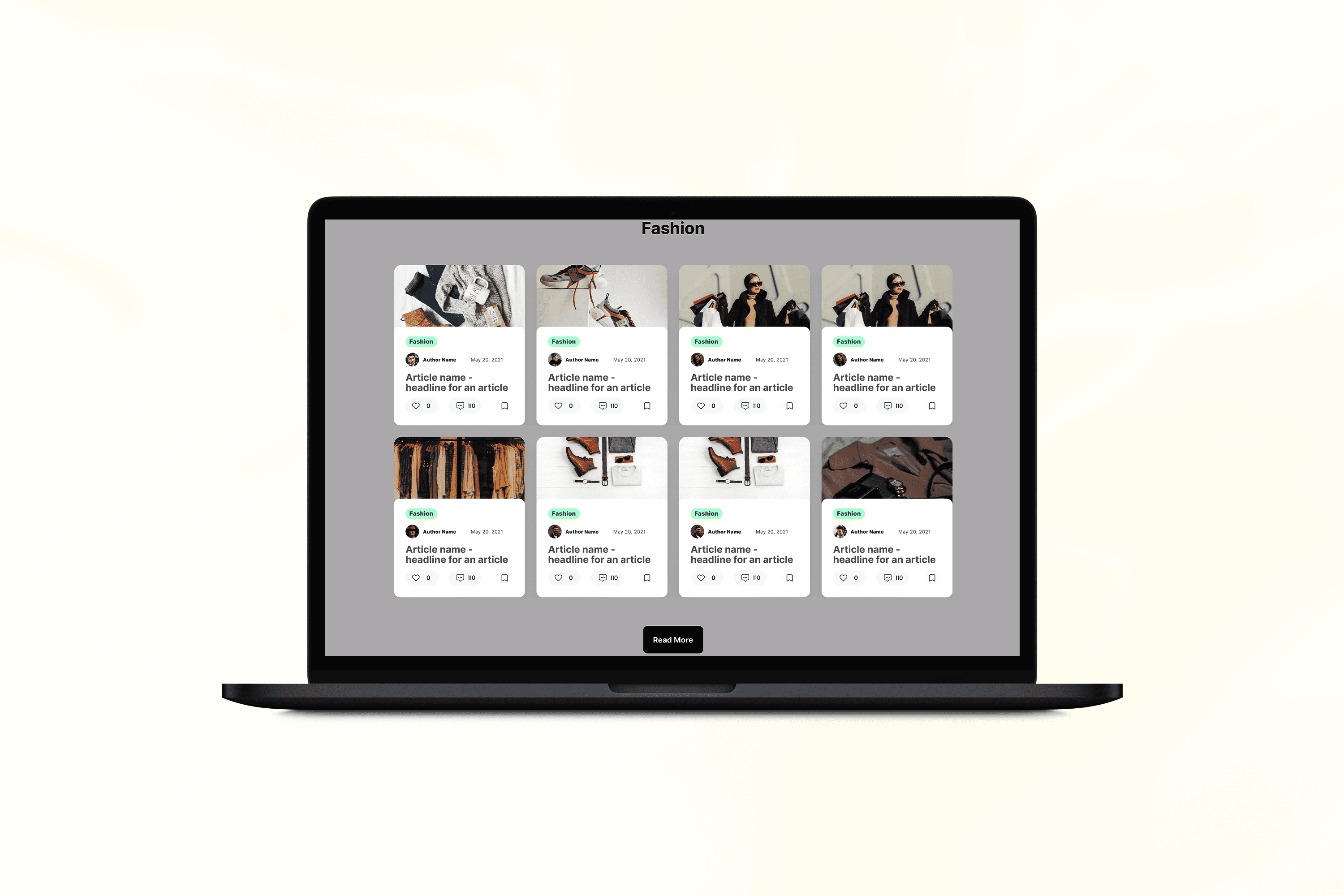
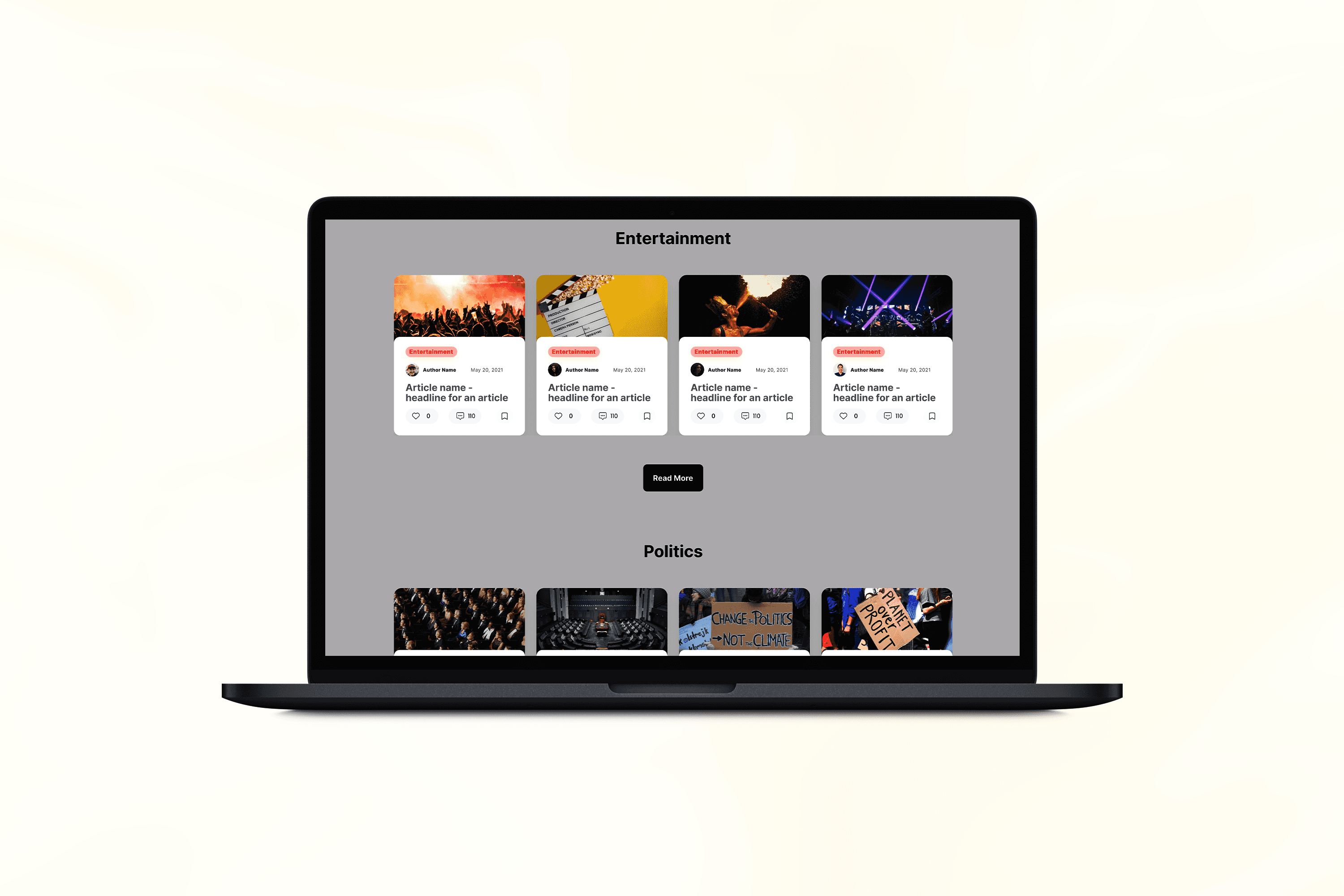
Category-Based Navigation
Designed a sticky menu featuring clearly labeled categories, allowing users to explore content effortlessly.
Added category-specific landing pages that displayed articles in a well-organized grid layout.
Clean and Engaging Layout
Used a visually appealing design with ample white space to reduce clutter and enhance focus on content.
Integrated dynamic features like carousel sliders for featured articles and animations for hover effects.
Optimized Responsiveness
Ensured the website adjusted seamlessly to different screen sizes and resolutions.
Focused on maintaining usability on smaller screens with collapsible menus and adaptive font sizes.
Search and Filtering Functionality
Added a search bar and filtering options to help users locate articles by keyword or category quickly.
Interactive Prototyping
Created a prototype with working links and animations to demonstrate how the blog would function in a real-world setting.
Results
Enhanced User Engagement
The clear category-based structure improved content discoverability, resulting in a 25% increase in time spent on the website during testing.
Positive Feedback
Test users praised the intuitive navigation and clean design, with a 30% satisfaction rate increase compared to previous blog designs they had used.
Improved Content Organization
The category-based layout reduced bounce rates by 15%, as users were more likely to find relevant articles easily.